Sustainability in Logistics

A practical approach to reducing your transport emissions.

We help cut transport-related emissions and build a supply chain that is responsible, resilient, and transparent—for whatever you move, wherever you move it.

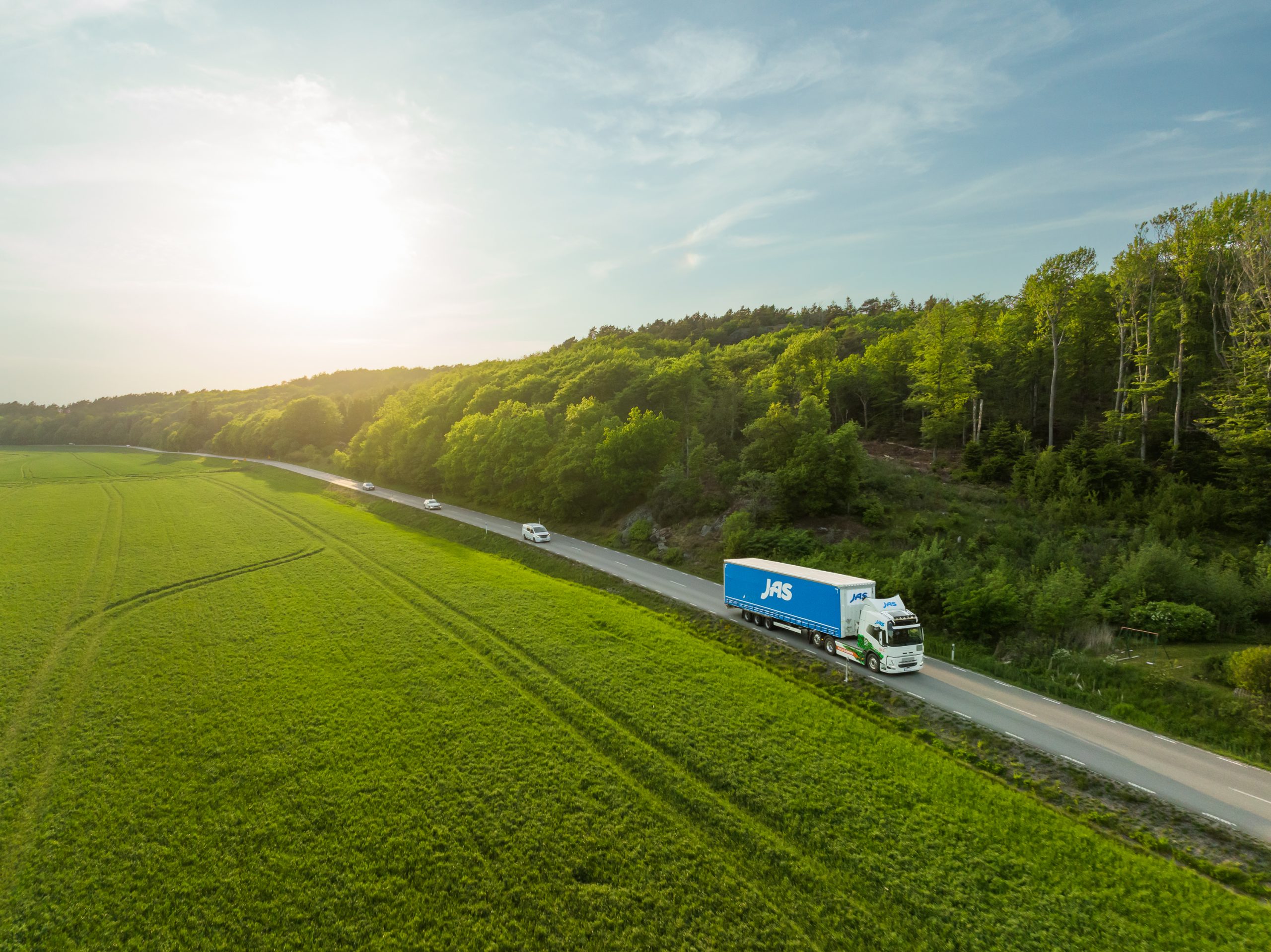
Aerial view of a winding road through a dense green forest, with a white vehicle traveling along it.
One Consistent Approach

Mode and industry set the context, our approach doesn’t change: build visibility, design a better supply chain, and address the emissions you cannot yet remove. This is our recipe for reducing logistics-related emissions to net zero.

1. Visibility & Insights

Know where your emissions occur, and what drives them. 

A consistent, transparent basis for your decisions and reporting. Emissions are calculated through EcoTransIT and follow recognized methodologies, including ISO 14083 and the GLEC Framework, giving you a traceable basis for target-setting and reporting.

2. Supply Chain Design

Leaner network, lower emissions.

Practical changes across your network that cut emissions and cost. Order patterns, inventory placement, service requirements, packaging, routing, and equipment utilization all decide how much transport you need and how efficiently your capacity is used.

3. Net Zero Solutions

Certified biofuel insetting and other innovative solutions. 

Biofuel insetting is an existing solution recognized by SBTi. It complements operational reductions by funding the switch from fossil fuels to sustainable fuels, helping address emissions that cannot yet be avoided, with no impact on day-to-day operations.

Same Goal, Different Starting Points

No two supply chains decarbonize in the same way. An ocean network built for scale faces different constraints than time-critical air freight. These differences decide which levers are realistic, and how far each one can go. 

  • Ocean Freight – Low emissions intensity per tonne-kilometre, yet large volumes can still dominate a footprint. We focus on container utilization, inland connections, routing, and sustainable marine fuel (SMF) for residual emissions. 
  • Air Freight – Essential for time-critical, high-value cargo, but with higher intensity. We help with forecasting, efficient routing, sea-air alternatives, and Sustainable Aviation Fuel (SAF) insetting for the movements you cannot avoid. 
  • Road Freight – Flexible across first mile, line-haul, and final delivery, with region-specific pathways. We look at route and load optimization, electric vehicles, renewable fuels, and intermodal shifts. 
  • Rail Freight – The lowest carbon intensity per tonne-kilometre of the land modes, though the gain depends on electrification and network coverage. We look at corridor availability, rail-road combinations, first and final mile connections, and lead time trade-offs.
  • Contract Logistics – Warehousing and fulfilment shape emissions beyond the transport leg. We help with renewable electricity, energy efficiency, packaging optimization, inventory placement, and lower-emission last-mile delivery.
More Than Carbon
Lower emissions are just one part of a responsible supply chain.

How your goods move also affects the people involved, the standards upheld across your carriers, and your ability to prove what you claim. We help you extend your own environmental, social, and governance expectations into the transport layer you depend on. 

  • The Social Dimension – We help you integrate human rights, labor, health and safety, and workforce considerations into your supply chain. 
  • The Governance Dimension – Through supplier sustainability assessments, business conduct standards, cybersecurity measures, and ESG reporting aligned with recognized frameworks, we help you demonstrate compliance and respond to requirements with greater confidence. 
Discover What Else We Have to Offer